Planning scenarios · Updated 2026-11-06
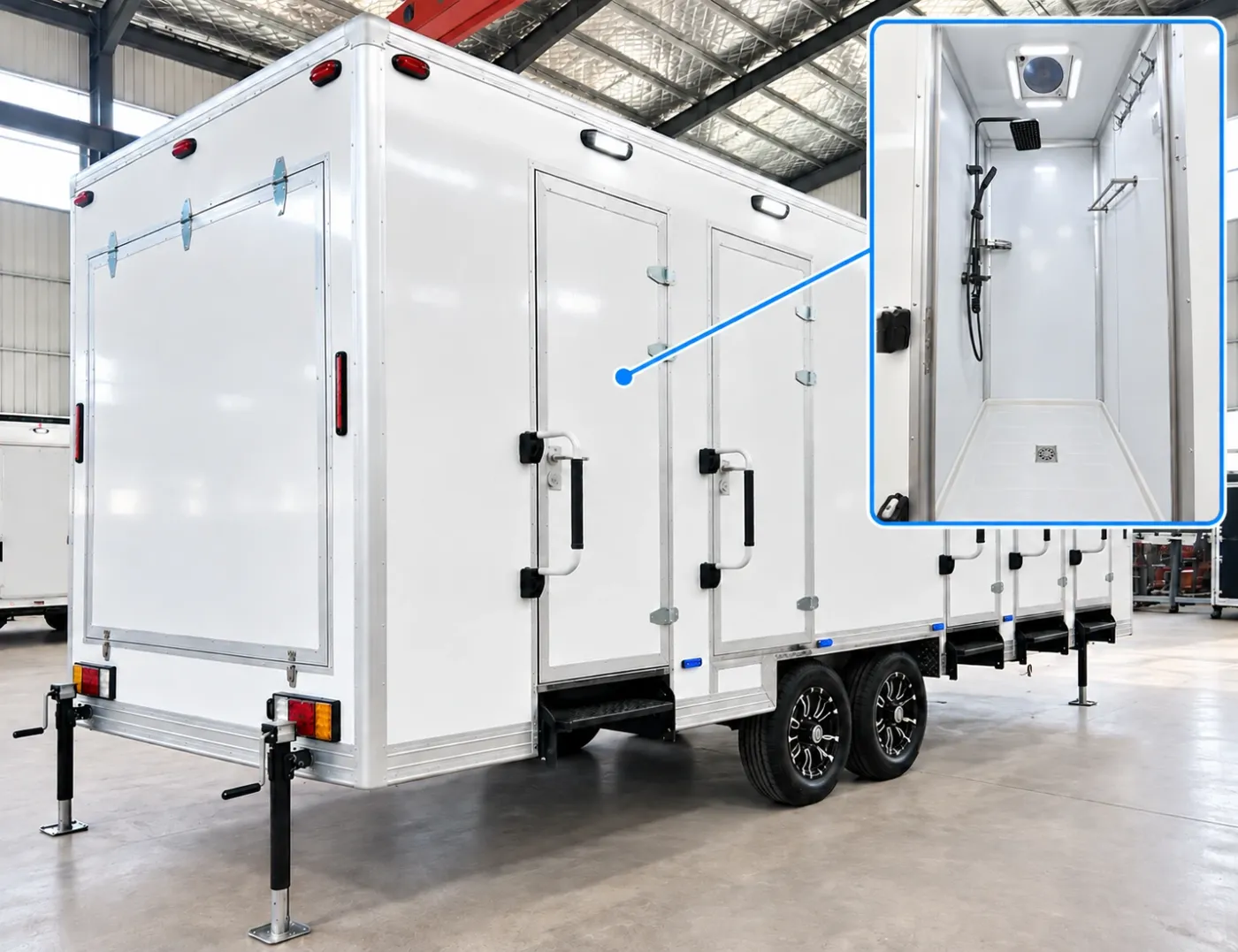
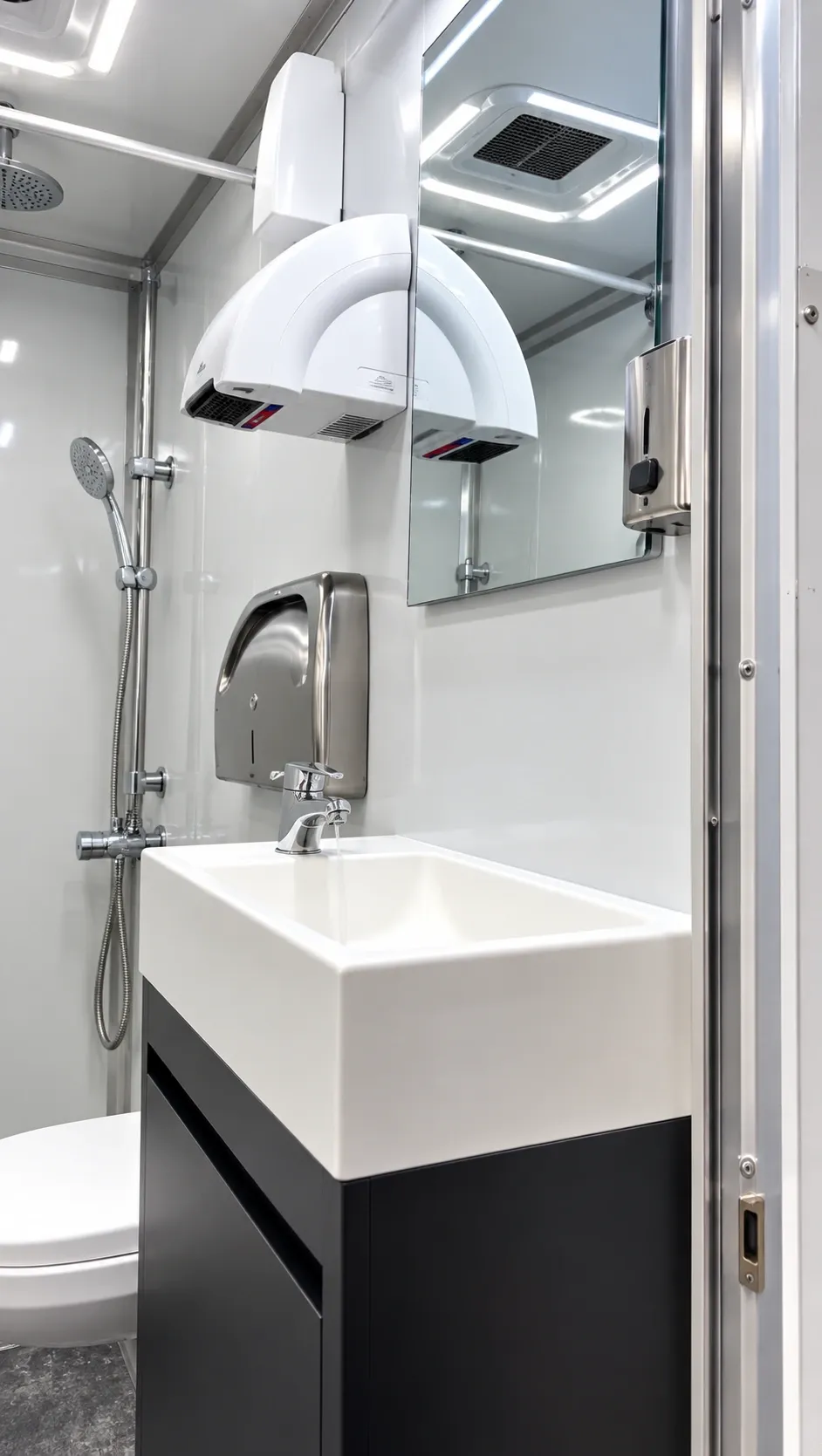
LEAP District Construction in Lebanon, Indiana: Shower Trailers for Large Crews
A 9,000-acre district means big crews for years; how showers scale with them.
Key points
- IEDC describes LEAP Lebanon as 9,000+ acres on the I-65 corridor, about 30 miles from Indianapolis and Purdue.
- Target industries include life sciences, microelectronics, and battery innovation: long, staged builds.
- Plan showers per shift and per gate, then add units as phases open.
The Indiana Economic Development Corporation markets LEAP Lebanon as a planned innovation district of more than 9,000 acres in Lebanon, on the I-65 corridor about 30 miles from both Indianapolis and Purdue, aimed at life sciences, microelectronics, battery innovation, and advanced manufacturing. Facilities of that kind are built in phases by large crews, often with shifts that start before dawn.
Why showers matter on these sites
Process plants and clean-room work can involve shower requirements under specific standards, and on any big site, a hot shower before the drive home is a retention tool. IOSHA enforces the sanitation ratios on Indiana private construction sites (see our ratio guide).
Scaling with the phases
- Start with combo trailers at the main laydown yard and add units at each new gate.
- Keep men's and women's units separate and labeled; count each group on its own.
- Add a 24ft Laundry Trailer once crews work long stretches away from home.
Sources
- Indiana Economic Development Corporation: LEAP Lebanon: A planned innovation district in Lebanon on the I-65 corridor, with 9,000+ acres, about 30 miles from Indianapolis and Purdue, aimed at life sciences, microelectronics, battery innovation, and advanced manufacturing.
- OSHA: Indiana State Plan (IOSHA): Indiana's plan covers most private-sector workplaces and state and local government employers; federal employers stay under federal OSHA. Initial approval March 6, 1974; final approval September 26, 1986.
- OSHA 29 CFR 1926.51: Sanitation (construction): Table D-1: one toilet for 20 or fewer workers; one toilet seat and one urinal per 40 workers above that; one per 50 at 200 or more. Showers, where required: one per 10 employees of each sex.
Links checked 2026-11-06. Figures quoted above appear on the linked pages.